How to Get the Radon Measurement Period Right for Your Home
When I first started testing homes for radon back in the early 2000s, the biggest mistake I saw homeowners make was rushing the process. They would buy a radon test kit, set it up in the basement for two days, and call it done. That kind of short-term measurement has its place, but only if you understand what the results actually mean and how the radon measurement period affects their reliability. Over the years, I have learned that getting the timing right is just as important as the test itself. A bad measurement period can give you a false sense of security or, worse, scare you into unnecessary repairs.
Radon is a radioactive gas that comes from the natural decay of uranium in soil. It seeps into homes through cracks in the foundation, gaps around pipes, and other openings. The only way to know if you have a problem is to test for it. But radon levels are not static. They change with the weather, the seasons, and even how you use your HVAC system. That is why the EPA radon guidelines recommend a minimum radon measurement period of 48 hours for short-term measurements and up to 90 days for long-term measurements. The longer you test, the more representative the result becomes of your actual radon exposure.
Short-Term vs. Long-Term Testing: What Each Tells You
Short-term measurement is the quickest way to get a snapshot of radon levels in your home. These tests typically use a charcoal canister or a similar device that absorbs radon over 2 to 7 days. Charcoal canisters are passive devices, you leave them in place, then mail them to a lab for analysis. They are inexpensive and easy to use, which makes them popular for real estate transactions. If you are selling a house in St. Louis, a short-term test is often required by the buyer's lender. But a short-term measurement period can be misleading if you test during unusually calm or windy weather, or if you run the HVAC system in a way that changes air pressure in the basement.
Long-term measurement, on the other hand, gives you a much more accurate picture. An alpha track detector is the most common device for this. You leave it in place for 90 days or more, and it records radon levels continuously. Because the radon measurement period covers multiple weather patterns and living conditions, the result is a better estimate of your annual average exposure. If you are trying to decide whether to install a radon mitigation system, a long-term test is the gold standard. I always advise homeowners to start with a short-term test if they are in a hurry, but to follow up with a long-term test if the short-term result comes back high or borderline.
Why the Measurement Period Matters More Than You Think
I once worked with a family in a St. Louis suburb who tested their basement with a short-term kit during a dry, windy week in October. The result came back at 2.5 pCi/L, well below the EPA action level of 4.0 pCi/L. They felt safe. But the following spring, after heavy rains and a week of closed windows, they tested again and got 6.8 pCi/L. The difference was entirely due to the radon measurement period. The first test captured low-radon conditions, while the second test captured high-radon conditions. Neither test was wrong, they just measured different slices of time.
That is why the EPA radon guidelines stress that a short-term measurement should be conducted under closed-house conditions. That means keeping windows and doors closed, running the HVAC system normally, and avoiding activities that would change air pressure, like running a clothes dryer or using a fireplace. Even with those precautions, a 48-hour radon measurement period can miss spikes that happen at night or during a storm. A continuous radon monitor can help with that. These electronic devices take readings every hour or even more frequently, so you can see how levels change over time. But even a continuous radon monitor needs a sufficient radon measurement period to produce a reliable average.
Choosing the Right Device for Your Situation
There are several types of radon test kits on the market, and each one works best with a specific measurement period. Here is a quick breakdown:
- Charcoal canister: Best for short-term measurement (2-7 days). It is cheap and easy to use, but it can be affected by humidity and air movement.
- Alpha track detector: Ideal for long-term measurement (90 days to a year). It is more durable and less sensitive to environmental conditions.
- Continuous radon monitor: Useful for both short-term and long-term measurement. It gives you real-time data and can detect spikes, but it costs more and requires power.
If you are a homeowner in the St. Louis area, you should know that the region sits in Zone 1 on the EPA radon zone map, which means the average indoor radon level is expected to be at or above 4.0 pCi/L. That does not mean every house has a problem, but it does mean you should take testing seriously. I have seen houses just a few blocks apart with wildly different radon levels, so you cannot rely on your neighbor's test results. The only way to know your own radon exposure is to test your own home, and to do it over a radon measurement period that gives you confidence in the number.
Post-Mitigation Testing: Verifying the Fix
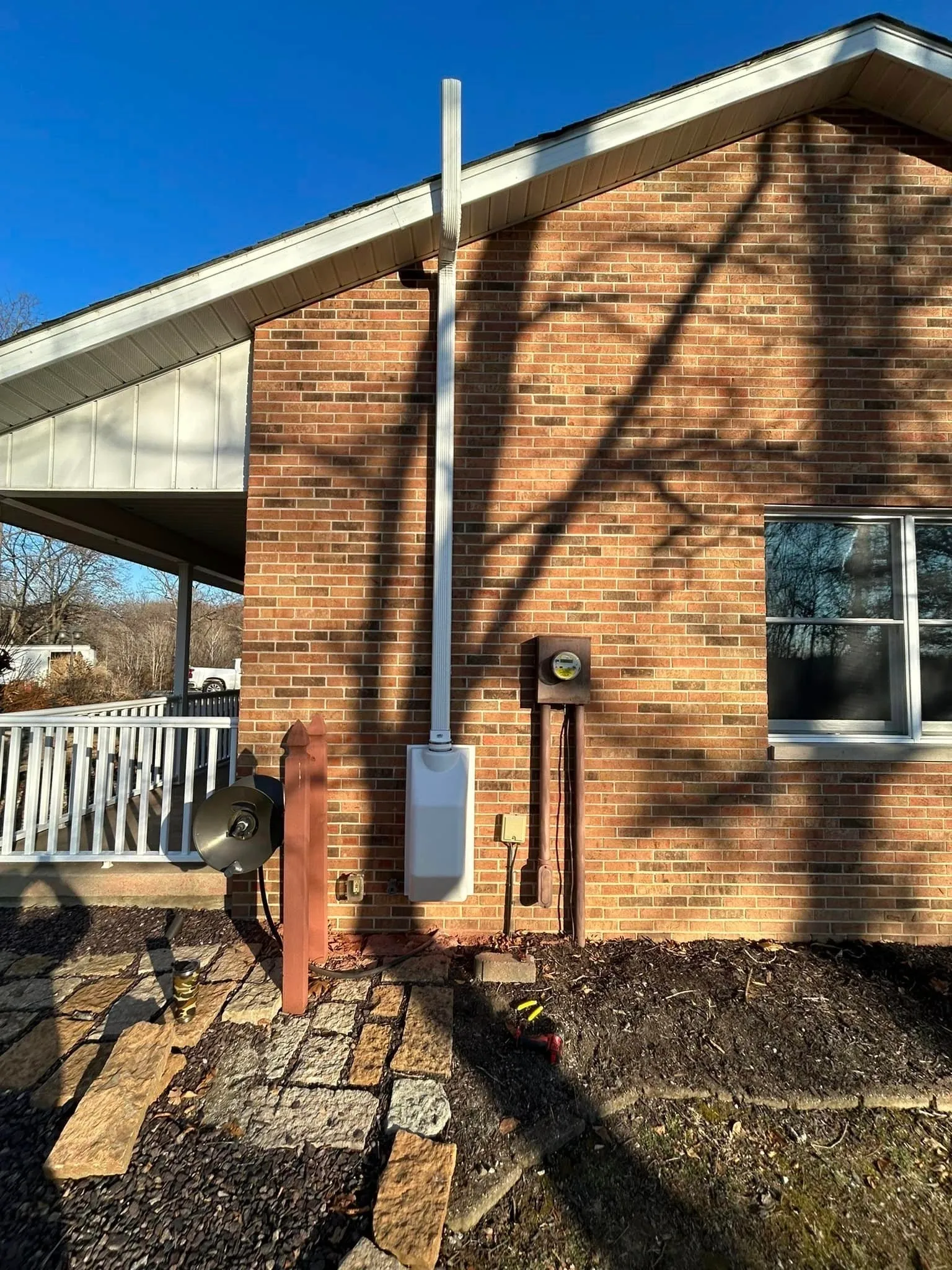
If your test shows elevated radon levels, the next step is radon reduction. A typical radon mitigation system uses sub-slab depressurization. That involves drilling a hole through the basement floor, installing a pipe that runs up through the house, and attaching a radon fan that pulls soil gas from under the slab and vents it above the roof. It is a proven method that works well in most homes. But the job is not done when the fan is installed. You need to perform a post-mitigation test to confirm that the system is working.
A post-mitigation test should be a short-term measurement, usually 48 hours to 7 days, conducted under closed-house conditions. The radon measurement period for this test is critical because you want to see if the system reduces levels below the EPA action level. I recommend using a continuous radon monitor for post-mitigation tests because it can show you if there are any lingering issues, such as a leak in the system or a problem with the HVAC system that is pulling radon back into the house. A good radon contractor will include post-mitigation testing as part of the service, but you can also do it yourself with a certified test kit.
Practical Tips for Getting a Reliable Measurement
Over the years, I have collected a few practical tips that can help you get a more accurate radon measurement period, no matter which device you use:
- Place the test kit in the lowest lived-in level of the home. That is usually the basement or the first floor if you do not have a basement. Avoid bathrooms, kitchens, and laundry rooms because humidity and air movement can affect the results.
- Keep windows and doors closed as much as possible during the test. The EPA radon guidelines recommend at least 12 hours of closed-house conditions before starting the test, and then keeping them closed for the entire radon measurement period.
- Do not move the test kit once you start. If you pick it up or knock it over, you invalidate the test. Set it in a stable location and leave it alone.
- Record the start and end times accurately. Many test kits have a timer that tracks the radon measurement period, but it is still good practice to write down the dates.
- If you are testing for a real estate transaction, follow the instructions exactly. The buyer and lender will rely on that result, and a flawed test can delay closing.
Final Thoughts from the Field
Radon testing is not complicated, but it does require attention to detail. The radon measurement period is the single most important factor in determining whether your test result is meaningful. A 48-hour test can give you a quick answer, but it is only a snapshot. A 90-day test gives you a movie. If you are serious about protecting your family from radon exposure, invest in a long-term measurement. And if you find that your levels are high, do not panic. A properly designed radon mitigation system can bring those levels down to a safe range. Companies like Air Sense Environmental have been helping St. Louis homeowners with this exact process for years, and they can guide you through testing, system installation, and post-mitigation verification.
Remember, the goal is not just to get a number. The goal is to get a number you can trust. And that starts with getting the radon measurement period right.